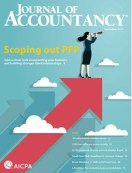
Professional liability risks can haunt CPA firms in unexpected ways.
Advertisement
TOPICS / FIRM PRACTICE MANAGEMENT
Firm operations
The No. 1 cybersecurity tip for sole practitioners
The AICPA’s small firm advocate shares cybersecurity tips and guidance on how to improve client services without hiring staff.
A recipe for sanctions: AI-hallucinated citations in tax
AI can speed tax research, but it can also invent cases. Your firm needs guardrails to avoid potential trouble.
The 5 Ws of incomplete information
Incomplete information, whether from clients or regulators, can create professional liability risk. Learn how to respond.
Real-life ways small firms use AI
Learn how four practices with fewer than 10 employees deploy artificial intelligence to expand capacity, do faster research, and more.
What small firm CPAs need to know
The inaugural Small Firm Q&A explores tactics to manage audit services and increased compliance requirements, practices that make peer review and tax practice more manageable, and steps to consider before solo practitioners’ transition into retirement.
Right-sizing risk management
Review practical tips for small firms and sole practitioners to right-size the building blocks of risk
management: acceptance, billing, communication, documentation, and engagement letters — to
help avoid disputes and malpractice claims.
A new top 5 firm: Grant Thornton acquiring fellow top 10 firm CBIZ
The deal, which includes an investment by private-equity company New Mountain Capital, will create a footprint featuring 34,000-plus employees in more than 20 countries and territories.
Why social media ‘failures’ can be big wins for small firms
The social media post that looks like a flop may actually result in a new client. Small firms should value authentic engagement over likes and follows, two ENGAGE presenters contend.
From estate planning to AI: Managing CPA liability
A coauthor of the JofA’s Professional Liability Spotlight column discusses the risks for CPAs related to the Great Wealth Transfer, how accountants can serve as a “critical guardrail” for clients, and the key components of an effective AI policy. Listen to the podcast episode or read the Q&A.
Drafting an AI policy that actually works
Find out what firms can do to create and maintain effective generative AI policies that align with professional and regulatory obligations.
Crowe partners with private equity; Baker Tilly on the move
Crowe is the latest top 15 firm to strike a private-equity deal. Also, Baker Tilly announced plans to relocate its headquarters to New York and acquire another top 100 firm.
Making the right choice when no one is watching
When clients think nobody is watching, the CPA’s judgment becomes an even more critical guardrail between short‑term temptation and long‑term consequences.
Aligning with AI: Lisa Simpson on how to overcome sense of overwhelm
An AICPA vice president reflects on the growth of Town Hall and shares how CPAs can manage AI overload. Also, get a breakdown on the recent AICPA and CIMA survey on CPA decision-makers’ economic sentiment.
Managing CPA liability in the Great Wealth Transfer
As Baby Boomers transition trillions to their heirs, CPAs face growing estate, gift, and trust liability risks. Learn how costly claims arise — and practical steps to reduce exposure.
How to start a CPA practice: Lessons from a firm founder and a risk expert
Thinking of starting your own CPA firm but not sure where to begin? Two experts with deep knowledge on the topic detail what it takes, including a focus on managing risk in the early years. Listen to the episode or read the Q&A.
What small firms are getting right about tech and why they’re not alone
Small CPA firms, “the heart and center” of the accounting profession, are the focus of this episode of the JofA podcast. An AICPA vice president discusses how AI and automation are leveling the playing field and how innovation can thrive in smaller practices. Listen to the episode or read the Q&A.
Tips for writing CAS engagement letters
The nature of a client accounting and advisory services engagement is determined solely by the agreement between the accountant and client.
Tell a story with your documentation
In the event of a professional liability claim, your documentation tells your story. Make sure it is the story you want to tell.
Don’t let a bankrupt client bankrupt you
When clients go bankrupt, CPAs face major liability risks. Learn how to spot red flags and help protect your firm from costly claims and lawsuits.
Features




SPONSORED REPORT

Get your clients ready for tax season
Help clients avoid surprises with year-end planning strategies for managing taxable income, maximizing deductions, and adjusting to OBBBA changes affecting individuals and businesses.
From The Tax Adviser
September 30, 2026
Navigating the QSBS rules in pass-through structures
September 30, 2026
Sec. 338(h)(10) elections in business acquisitions
August 31, 2026