How to start with AI and handle constant change
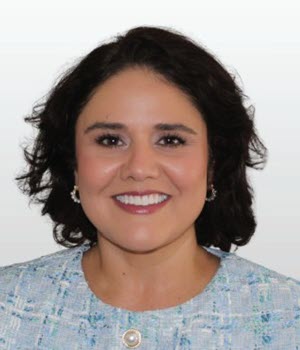
Editor’s note: Small firms frequently turn to Stephanie Otero, CPA, the AICPA’s small firm advocate, with questions. In this column, she shares practical guidance on AI, navigating change, and focusing on what matters most.
Q: I am the sole owner of a small tax firm. I know it’s important that my firm adopts artificial intelligence (AI), but I have no idea how to start. Can you help?
A: My advice is to start by choosing one problem you want to solve.
Think about where you or your team are spending time on repetitive, low-value tasks. Maybe it’s drafting client emails, summarizing meeting notes, organizing research, or creating first drafts of internal procedures. Start there. Pick one use case and one trusted tool and experiment. Don’t expect perfection right away.
AI is a tool to enhance your expertise, not replace it. No need to transform the firm overnight or use the most expensive or sophisticated AI. Clients hire you for your judgment, your experience, and your ability to navigate complex situations. AI can help you get to the answer faster, but as the CPA, you’re responsible for the final answer.
Progress means to consistently find small ways to save time and improve quality.
Finally, you don’t have to figure this out alone. One of the things I’ve noticed about the small firm community is how willing practitioners are to share what’s working. This was the case in a recent Small Firm Success Series webcast, “Tech and AI That Actually Work,” where small firm owners Shayna Chapman and Nicole Davis shared practical, real-world ways they’re using AI in their firms today. (Also see, “Real-Life Ways Small Firms Use AI,” JofA, Aug. 1, 2026.)
Q: How can small firms keep pace with change when it’s constant and constantly getting faster?
A: This is one of the defining challenges of running a small firm today.
Whether it’s AI, tax law changes, cybersecurity, staffing, client expectations, or new regulations, the pace of change can feel relentless. And when you’re also serving clients, managing staff, and running a business, there’s little time left to step back and evaluate what’s next.
The good news is that you don’t have to chase every trend.
One of the biggest mindset shifts I’ve noted among successful small firms is moving away from trying to keep up with everything and instead becoming intentional about what matters most to their clients and their practice.
Ask yourself a few simple questions:
- What’s creating the biggest bottleneck in my firm today?
- What’s changing and will affect my clients over the next year?
- Where will investing time now save me time later?
Not every new technology deserves your attention. Not every article requires immediate action.
I also encourage firms to build learning into their routines. That doesn’t mean spending hours every week. Dedicating a small amount of time each month to exploring new technology, attending a webcast, or talking with peers can make change feel much more manageable. Staying connected through resources like the AICPA Town Hall, the Small Firm Success Series webcasts, and the Small Firm Focus newsletter can also help ensure you’re getting timely, practical insights without feeling overwhelmed.
Perhaps most importantly, remember that small firms have an advantage: agility.
You don’t need multiple committees to make a decision. You can test a new process, gather feedback, make adjustments, and move quickly. That flexibility is a tremendous strength if you’re willing to embrace it.
Q: What’s the most common question you’ve gotten since becoming the AICPA’s small firm advocate?
A: The question I get most often is, “What exactly does a small firm advocate do?”
I love this question because it gives me the opportunity to talk about what this role really means — supporting small firm owners in a very real, practical way.
My perspective is grounded in experience. I started my career in a small firm and later owned one for 13 years. So, I understand firsthand what it means to juggle clients, staff, deadlines, and everything in between.
I spend much of my time meeting with practitioners through state society roundtables, Private Companies Practice Section (PCPS) small firm networking groups, conferences, webcasts, firm visits, and one-on-one conversations. My role is to understand what’s happening in small firms — not just what’s making headlines, but what’s making your work harder or creating new opportunities — and to make sure those perspectives are heard across the profession.
What I’ve observed is that small firms are incredibly resilient. They’re adapting to rapid technological changes, finding creative ways to serve clients, navigating staffing shortages, and continuing to deliver real value to the communities they support.
I’ve also learned that although every firm is different, the themes are remarkably consistent. Whether I’m talking with a sole proprietor in rural America or a 20-person firm in a growing city, many are asking the same questions: How do we attract talent? Which technology is worth investing in? How do we protect our firms from cybersecurity risks? How do we continue delivering exceptional service without burning ourselves out?
Those conversations shape the work I do every day.
If there’s one thing I want practitioners to know, it’s this: My inbox is always open. You’re not alone in what you’re navigating, and every conversation helps us better understand what small firms need today — and where we should focus next.
About the author
Stephanie Otero, CPA, is vice president–Small Firm Advocate at the AICPA. She can be reached at SmallFirms@aicpa-cima.com. To comment on this article or to suggest an idea for another article, contact Jeff Drew at Jeff.Drew@aicpa-cima.com.
LEARNING RESOURCES
Stay ahead on issues shaping small CPA firms. This webcast offers insights on staffing, technology, compliance, and practice management, equipping firms with strategies to thrive.
2–3 p.m. EST, Oct. 22 and Dec. 17
CONFERENCE
For more information or to make a purchase, go to aicpa-cima.com/cpe-learning or call 888-777-7077.
Join CPA.com in San Diego and online from Dec. 6—9 to discover emerging technologies, unlock actionable strategies, and collaborate with peers who are designing a new era of accounting.
CONFERENCE
Firm practice management will be on the agenda at the biggest event in the accounting profession.
June 7–10, 2027, Aria Resort & Casino, Las Vegas
CONFERENCE
For more information or to make a purchase, go to aicpa-cima.com/cpe-learning or call 888-777-7077.
MEMBER RESOURCES
Articles
“4 Ways Sole Practitioners Can Set Themselves Apart,” JofA, June 8, 2026
“Single-Owner Firms: The Thrill of Flying Solo,” JofA, Aug. 1, 2024
Podcast
“What Small Firms Are Getting Right about Tech and Why They’re Not Alone,” JofA, April 8, 2026