Why AI needs to show its work
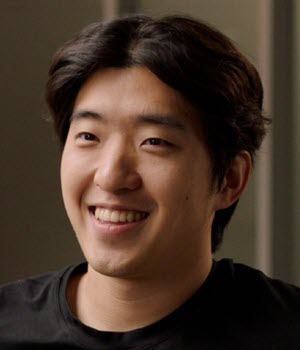
Accordance was founded by AI researchers-turned students-of-practitioners who dedicated their first years to working alongside tax leaders, professors, and firm partners. From Stanford AI Lab to CEO, David Yue continues with that same philosophy: learning from the practitioners and firms that shape Accordance.
Q Why does “confidence” from an AI tool make you nervous rather than reassured?
A Confidence is easy to fake. Any AI model can sound sure of itself. What matters is what’s underneath: Does the model understand the fact pattern? Does it apply the right authority? Does it know where it’s uncertain? CPAs need a tool that shows the tool’s work: the facts it relied on, the authority it applied, the alternatives it weighed, and the point where a person needs to step in. Understanding where an answer comes from ensures you’re ready when a partner, a client, or an examiner asks how you made a judgment call.
Q What separates a real tax research tool from a chatbot that happens to know some tax law?
A A real tax research tool recognizes that not all tax authorities carry the same weight and ranks sources by their recognized hierarchy. Binding law should outrank guidance, guidance should outrank commentary, and a real tax research tool reasons in that order. The citations matter just as much. A chatbot can quietly ignore an instruction of “don’t cite anything you didn’t actually read” under pressure and reconstruct a plausible-sounding reference out of thin air. We built our tool so that can’t happen: A citation only exists if it’s tied to something the research tool actually pulled and read.
Q How should firms think about verifying AI-assisted work without slowing everyone down?
A Our tool pushes the verification into how the work gets done, not just into how it gets checked afterward. Accordance won’t hand off an answer until it confirms the basics: Did an answer address every part of the question? Did the tool find the real numbers and thresholds? Did it read the statute or regulation itself? As long as our tool can’t say yes to all of that, Accordance keeps working instead of answering. It also double-checks every quote against the actual source, not against what it remembers reading. That sounds like a small thing until you’ve caught a model quoting something that was never there.
Sponsored by: